Influencer etiquette 101: How to avoid your own pastrygate
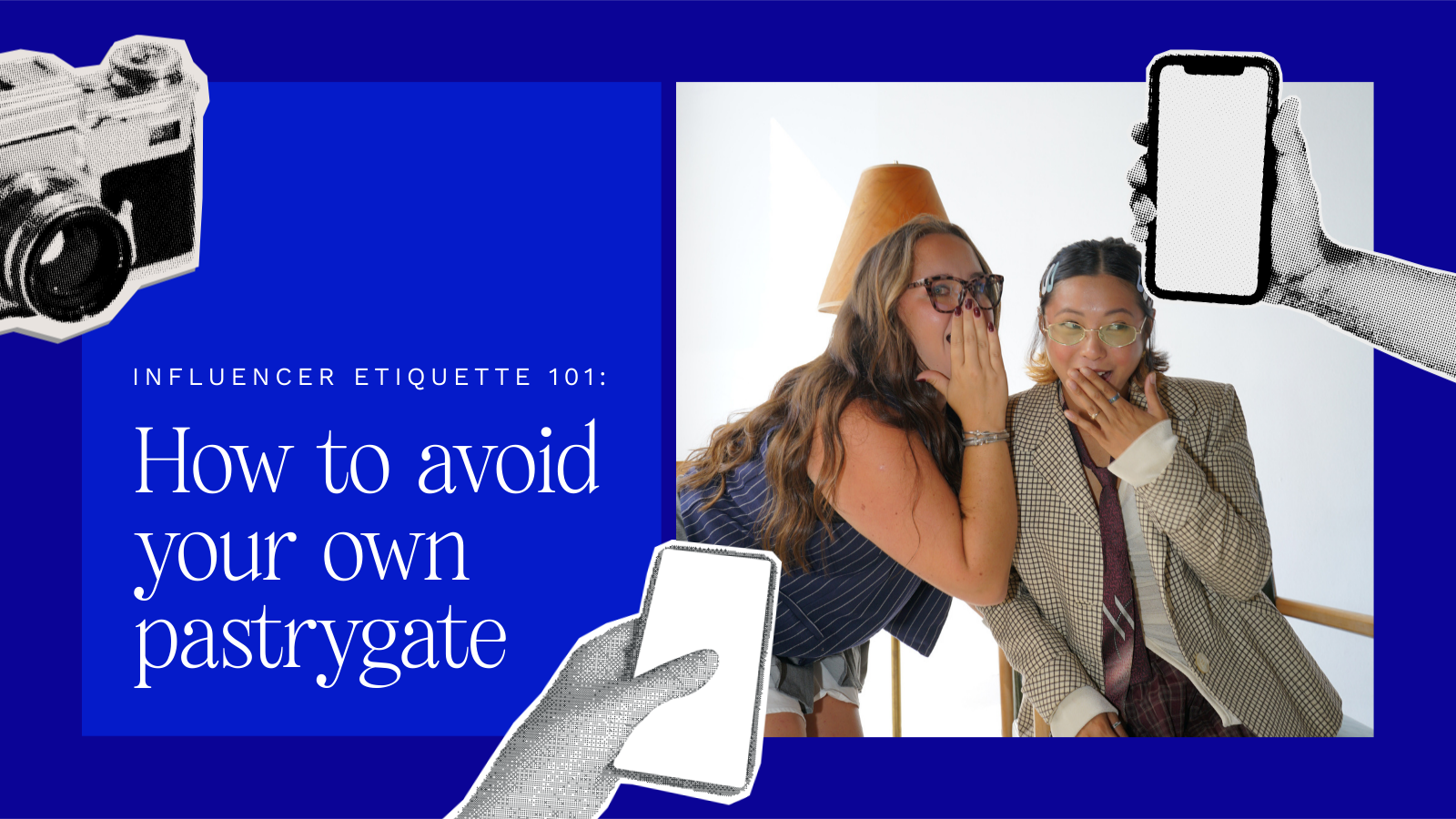
Did you hear about the whirlwind drama between food influencer Aurora Griffo (aka Glamorama) and Jenna Leurquin, CEO of JL Patisserie in Scottsdale, Arizona—otherwise known as Pastrygate? It opened up a HUGE conversation about the ethics of influencer partnerships and how influencers and small businesses can build successful partnerships that are rooted in genuine care, connection, and courtesy.
So what is Pastrygate?
It all started when Glamorama reached out to JL Patisserie asking to collaborate on a post.They politely declined. Glamorama then pushed back and suggested she’d write a positive review in exchange for free food.
Before the patisserie even had a chance to respond, she came in the next day and posted a review and… let’s just say it wasn’t sweet. The video (which has since been taken down) accused the bakery of using fake ingredients, which couldn’t be further from the truth. CEO Leurquin responded with a calm, detailed video explaining their real imported ingredients and the level of care that goes into every product. This video went viral.
The internet took the bakery’s side. The conversation around influencer ethics and etiquette exploded. And Glamorama? She has stepped away from food influencing altogether.
So… how do you avoid your own Pastrygate?
Whether you’re a small business trying to navigate creator partnerships or an influencer wanting to build ethical, long-term relationships, here are AMD Creative’s dos and don’ts (plus how we can help).
For Small Businesses
→ DO: Be strategic about your partnerships
A cold DM from an influencer might seem promising, but that doesn’t mean it’s the right fit. Vet the creator first:
Who is their audience?
Does it overlap with yours?
Are they local enough for their followers to become real customers?
Do they regularly create content in your niche?
For example:
If you’re a neighborhood restaurant, a huge out-of-state travel influencer won’t help you nearly as much as a micro local creator with an engaged community.
Followers ≠ fit.
Don’t get caught up in the metrics you see up front. Sometimes less is more.
→ DO: Build authentic relationships
The best influencer partnerships don’t feel transactional.
When you build trust with a creator:
You get better content
They learn your brand deeply
Their audience begins to trust you
Long-term collaborations become easier and more effective
→ DO: Share your brand guidelines
Before a creator shoots anything, share:
Your brand tone
Any words or phrases you avoid
Visual guidelines
Key messaging
What’s important to highlight
This ensures that when they’re creating, they’re representing your brand correctly and producing content you’ll be excited to repost.
→ DO: Give clear deadlines + deliverables
Set expectations upfront:
What’s included
When it’s due
What format the content should be in
What products they’ll need (and when they’ll receive them)
This prevents awkward follow-ups, miscommunication, and unnecessary stress for everyone involved.
→ DON’T: Micromanage their creativity
You chose them for a reason: their voice, their style, their creative lens.
If every shot needs approval or every caption needs rewriting, you’re diluting their strengths. Share your guardrails, then give them space to do their thing.
Commerce updates focused on making online shops more customizable and customer-friendly. Product blocks are now more editable, helping businesses follow best practices and create shopping experiences that truly stand out.
→ DON’T: Skip the data
After the campaign wraps, track the results.
Give creators UTM links (that little add-on at the end of a URL) so you can see:
How many clicks came from their content
What converted
What didn’t
Whether partnering again makes sense
For Influencers
→ DO: Share your portfolio
Brands want to see your style and how you tell stories. Share examples of previous work. Bonus if it’s for a brand similar to your prospective client. Show them how you can elevate their message.
→ DON’T: Take work outside your niche
Not everything is meant to be.
If your audience follows you for food content, suddenly promoting a skincare brand doesn’t just confuse them— it’s a disservice to both you and the business.
Get clear on your own personal brand and collaborate where you can best influence.
→ DON’T: Make promises you can’t keep
Don’t guarantee sales, or deliverables you don’t have the capacity for. Being honest goes a long way.
Navigating influencer relationships may feel like another full-time job, but it doesn’t have to be yours. As marketers we know firsthand that managing partnerships, vetting creators, setting expectations, and tracking conversions is… a lot.
That’s why we’re here.
At AMD Creative, we support our social media clients with influencer management so you can focus on running your business.
Not a client yet? No worries. Book a free discovery call and let’s make influencer partnerships easy, peasy, lemon squeezy for you in 2026.